Dates and Tickets

A Reckoning by Anton Chekhov, David and ensemble
Director: Rebekka David
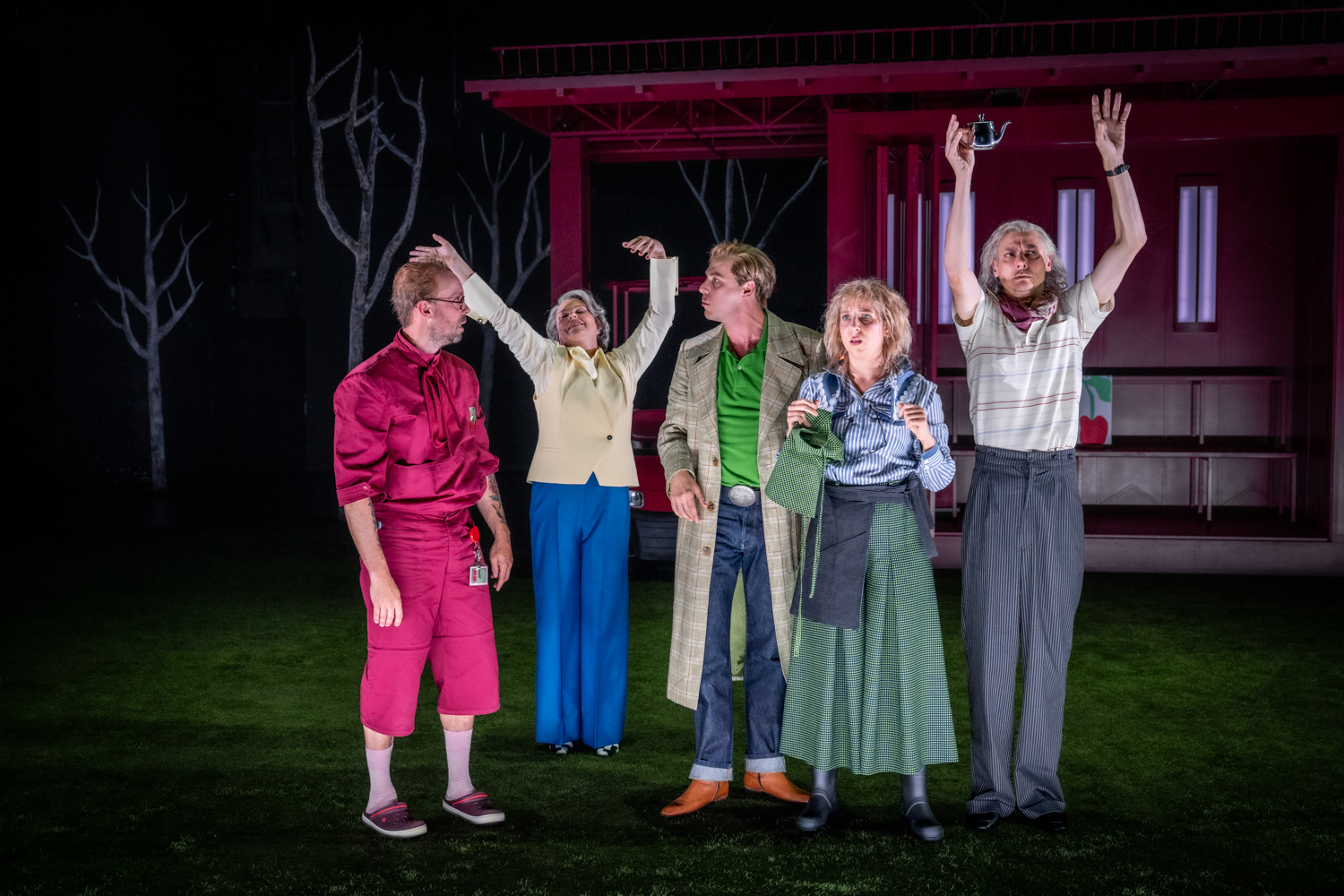
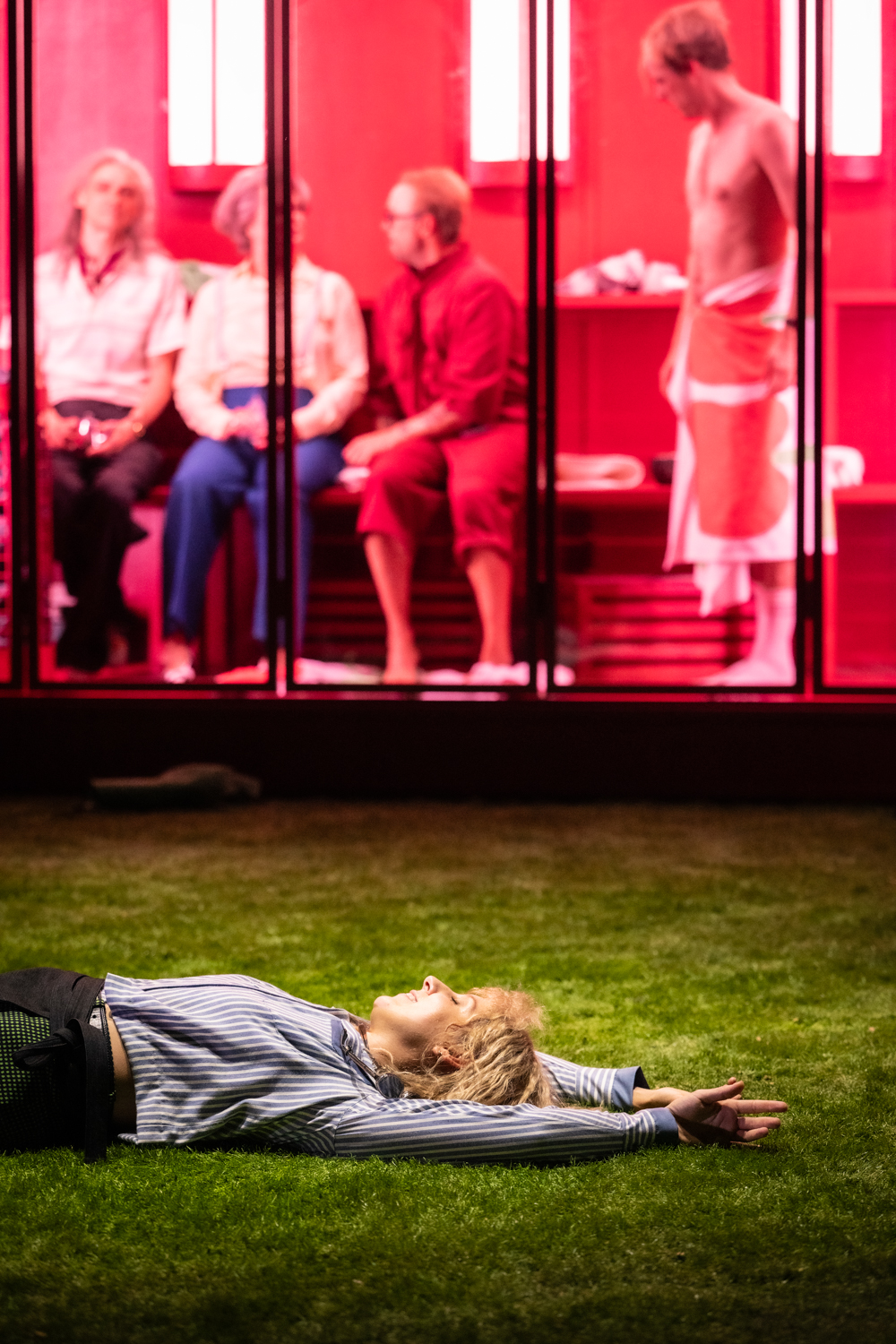
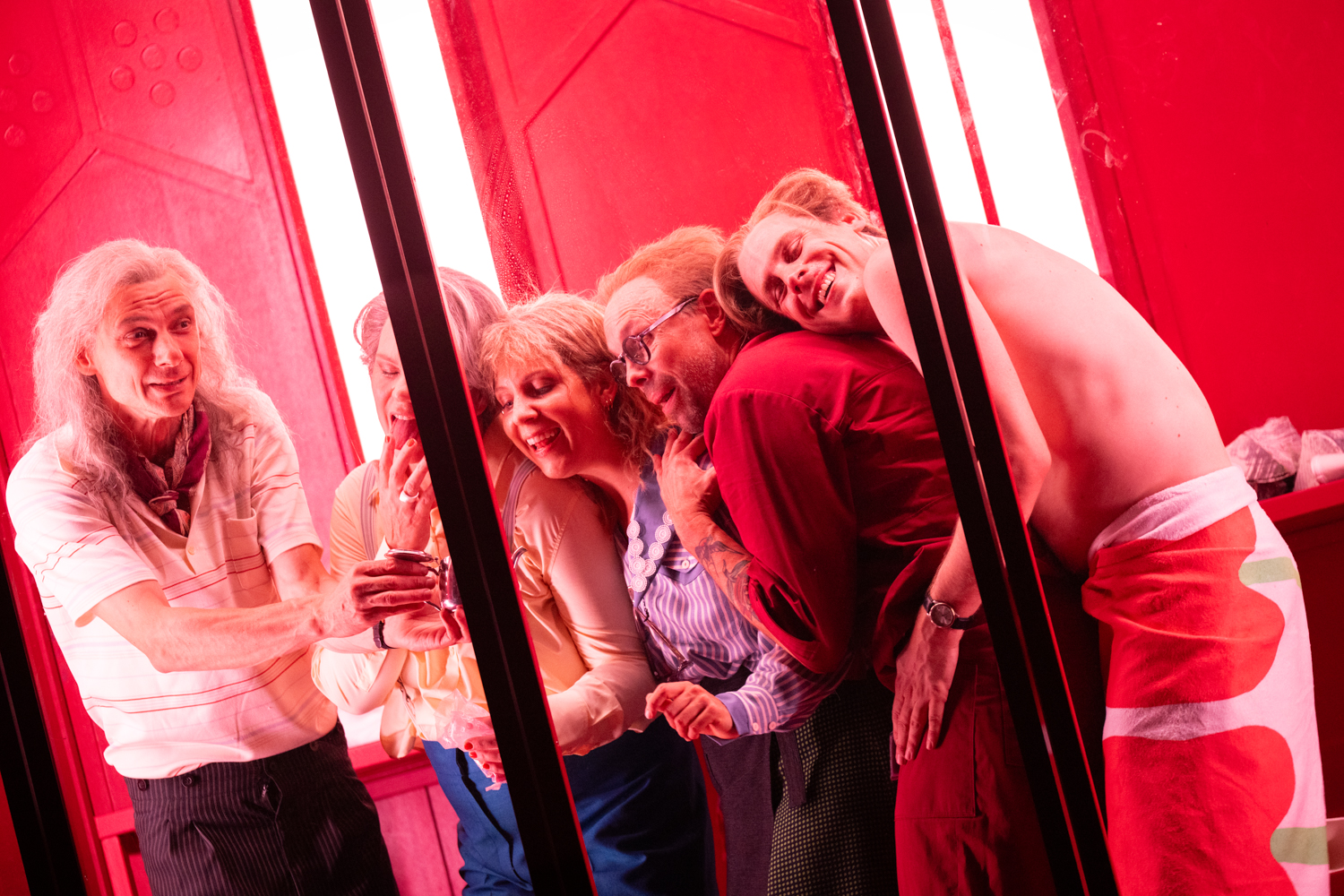
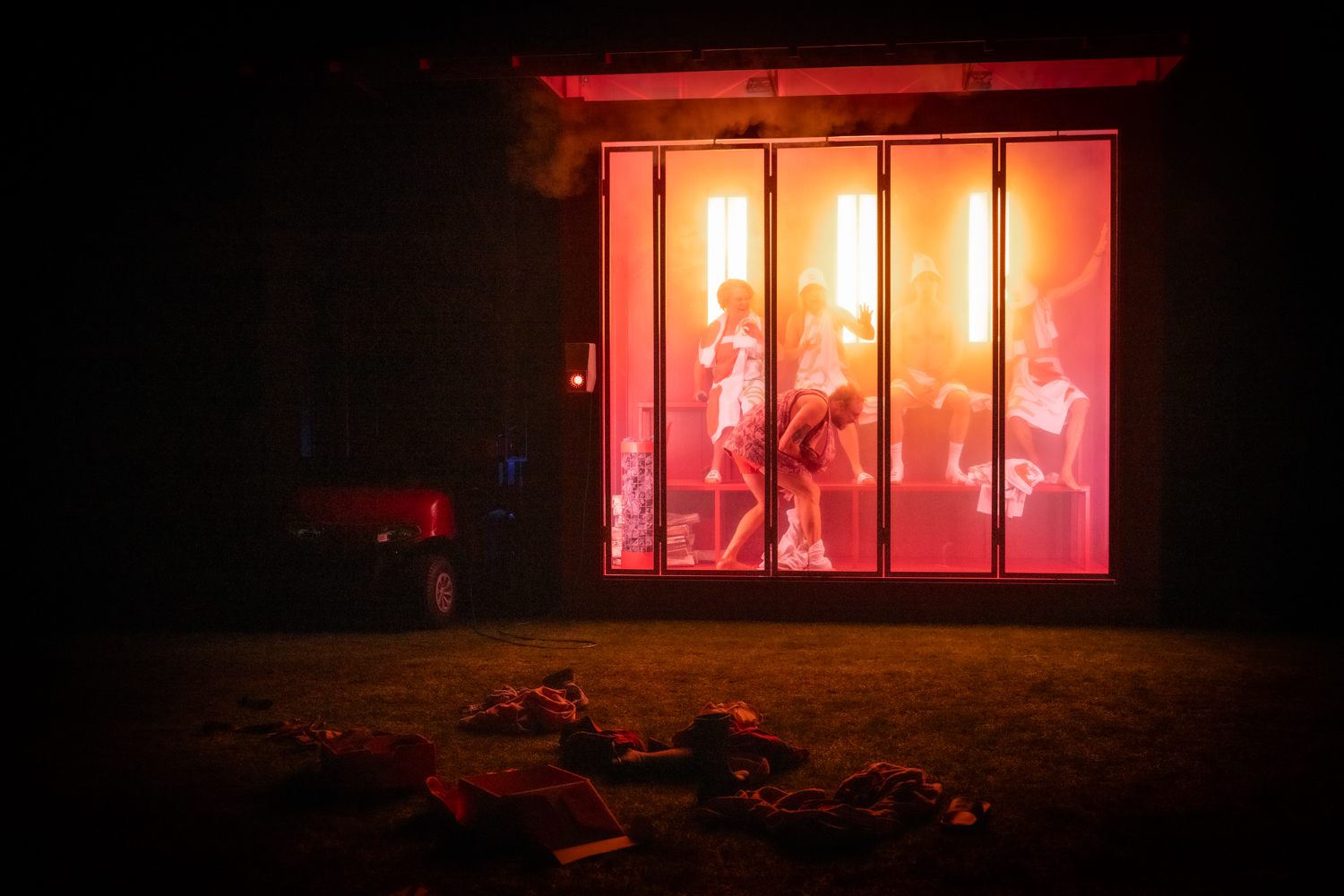
ca. 1 Stunde 50 Minuten keine PauseNow that Chekhov’s THE CHERRY ORCHARD is over, the place of longing has been transformed into a business venture. Chekhov’s characters return, bringing with them a question that has lost none of its urgency: why does money govern our lives when it remains the one thing no one wants to talk about?
A small vacation home near Bonn: around €70 – €100 per night. Access to the garden, of course, for an additional fee. There is an extra charge for viewing the cherry trees.
But we don’t want to talk about that. We want money. Preferably lots of money. With a comfortable buffer. Safely invested. Growing steadily. But we don’t talk about that. My bank balance is nobody’s business. Too much money would be embarrassing; too little, even more so. You simply don’t talk about money. We learned that early on—at six years old, when Grandma secretly slipped us our first five-mark coin. No one was supposed to see. She pressed it into our hand with a conspiratorial look, and the coin grew warm in our palm. Again and again, our sticky fingers—still coated with cherry ice cream—disappeared into our pocket to make sure it was still there.
Later, at the kiosk, we weren’t sure whether five pfennigs per gummy candy was a fair price or if they were trying to rip us off. To this day, the question »How much money do you have?« feels more intimate than asking about someone’s last sexually transmitted disease. Why is that?
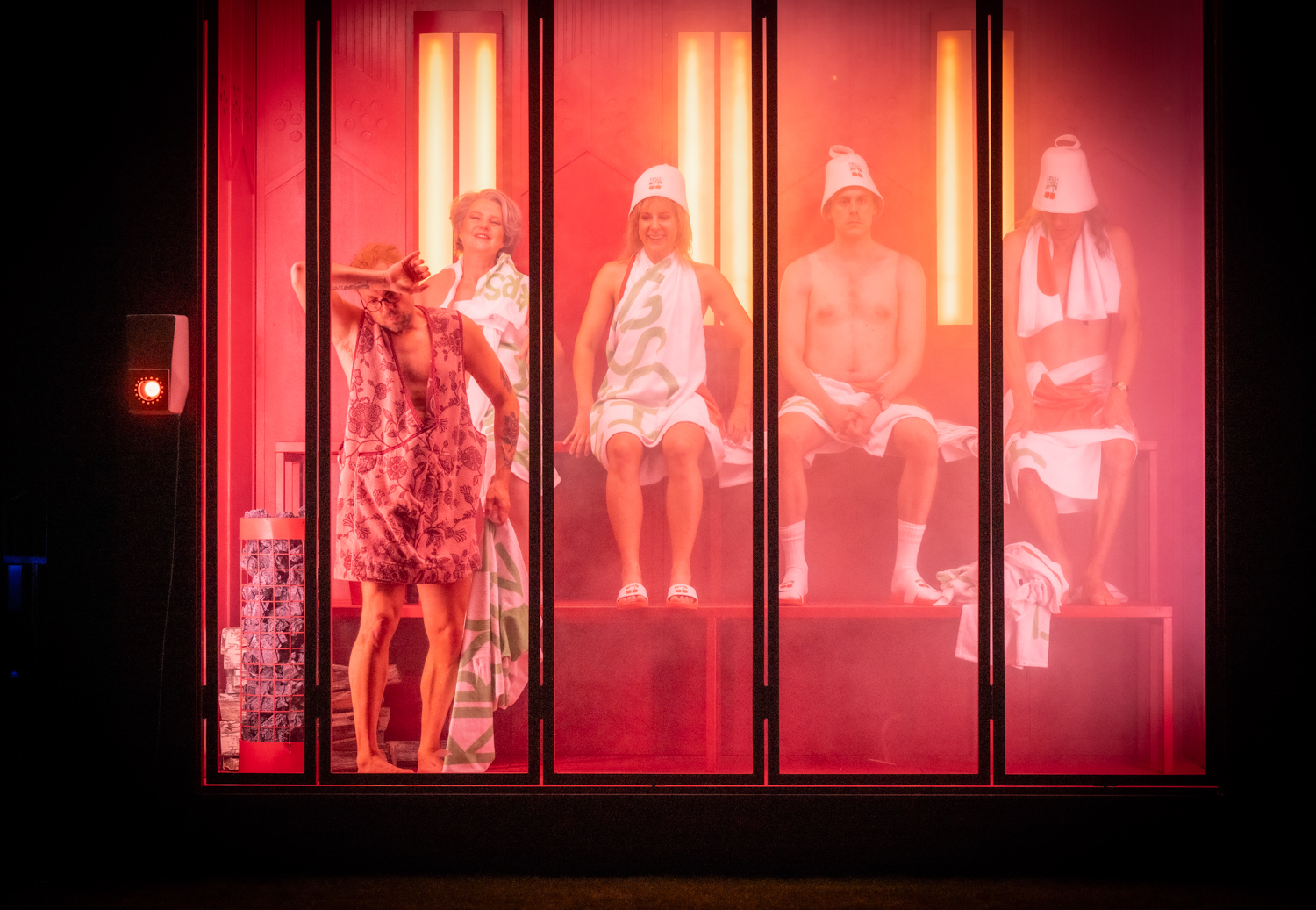
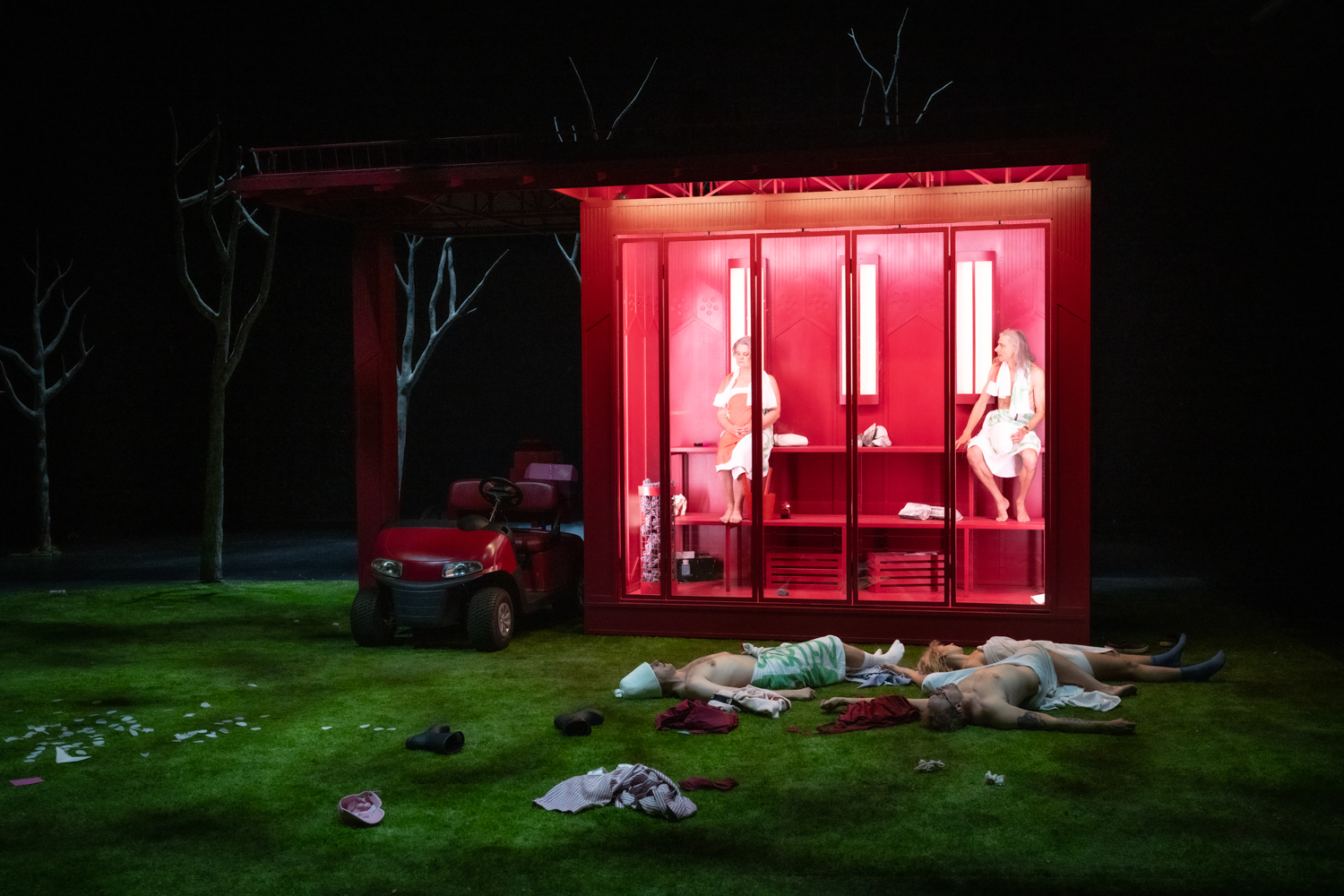
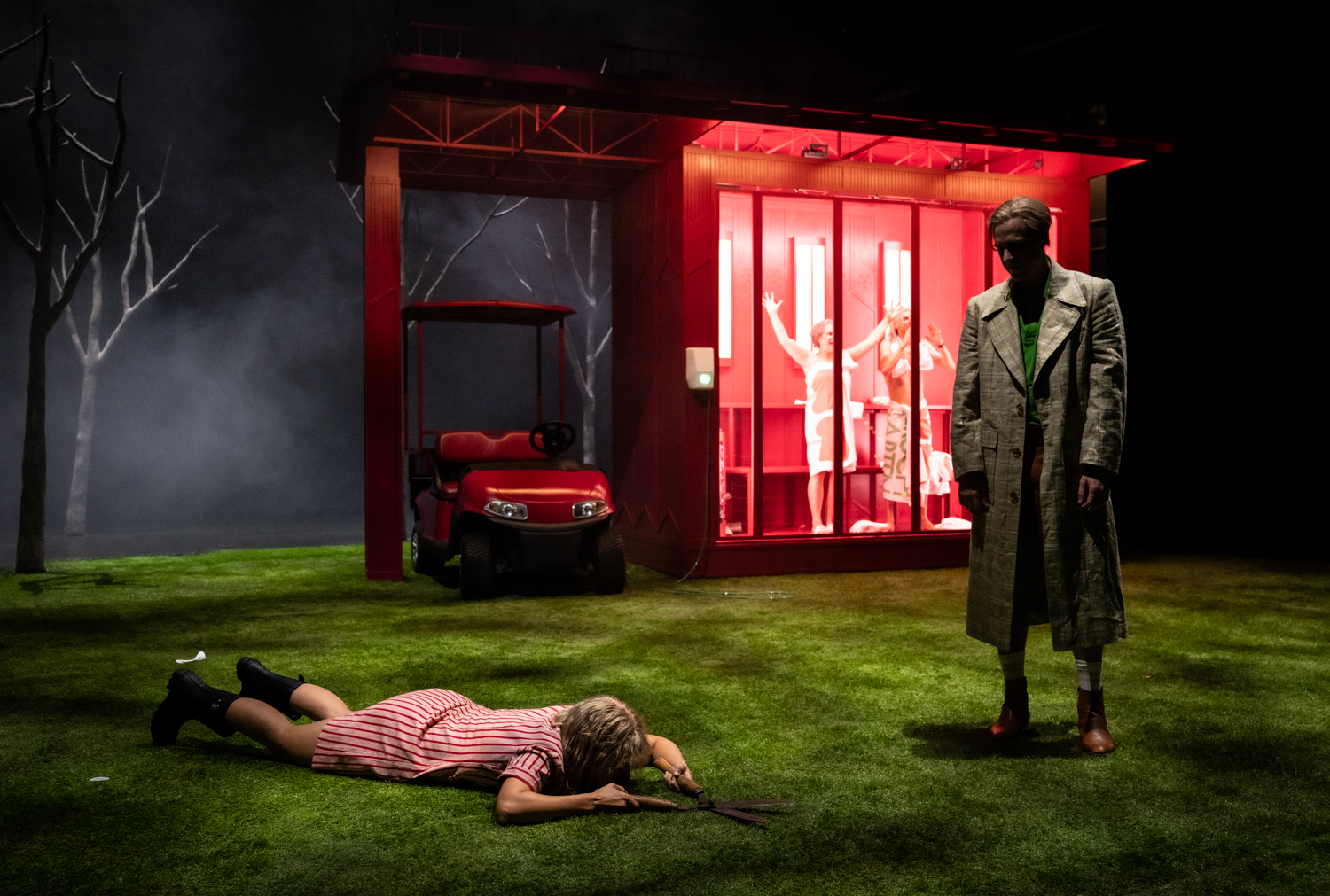
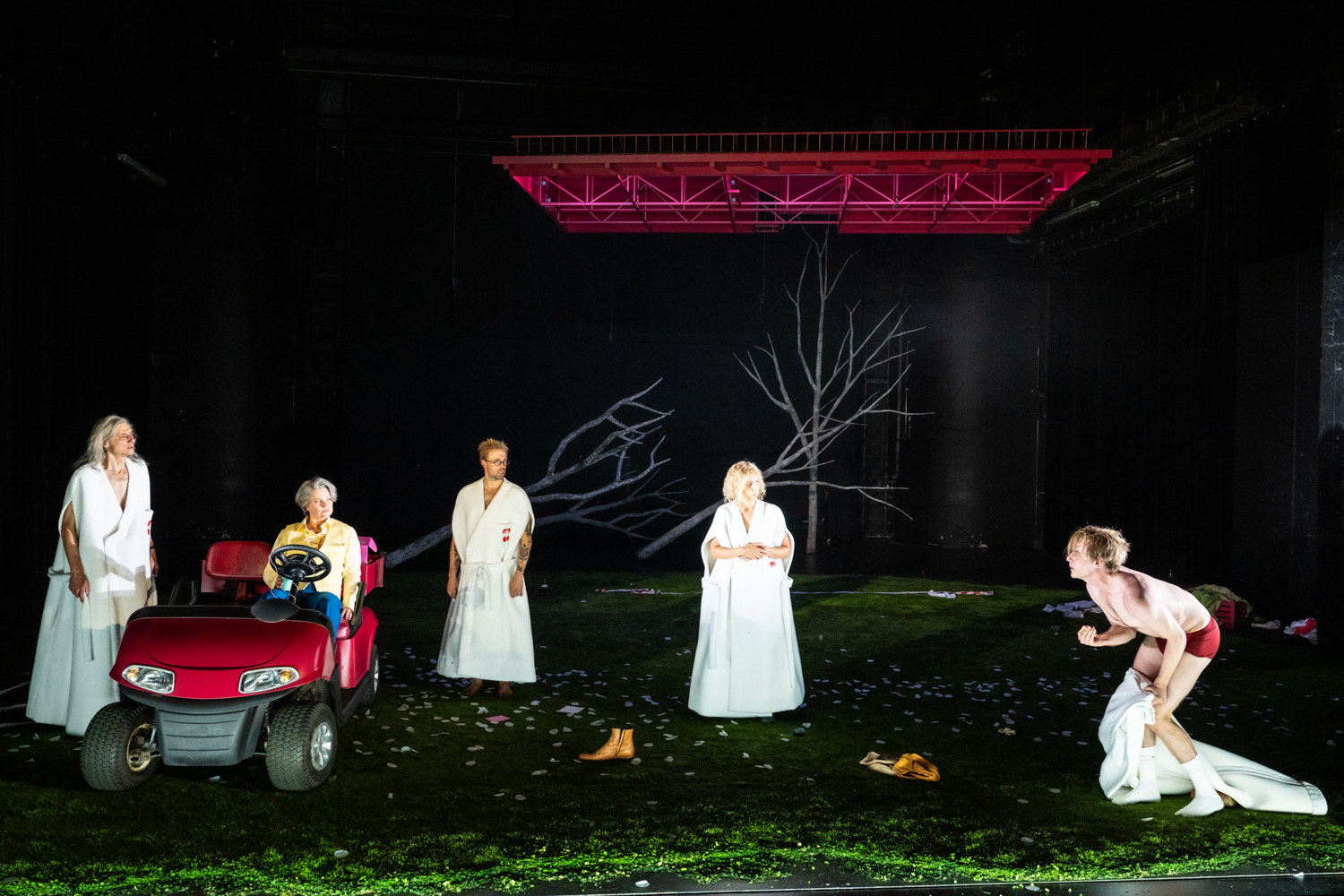
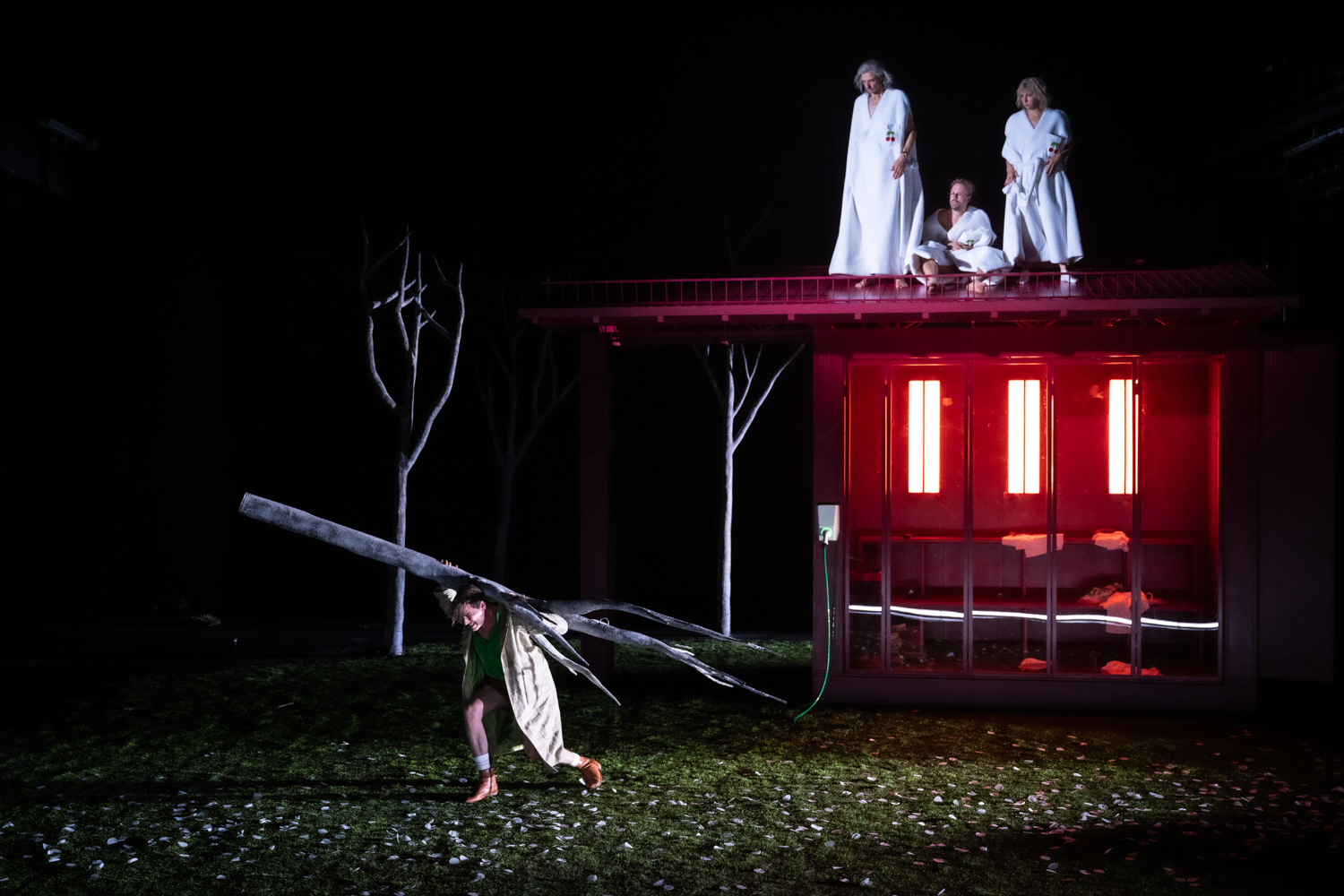
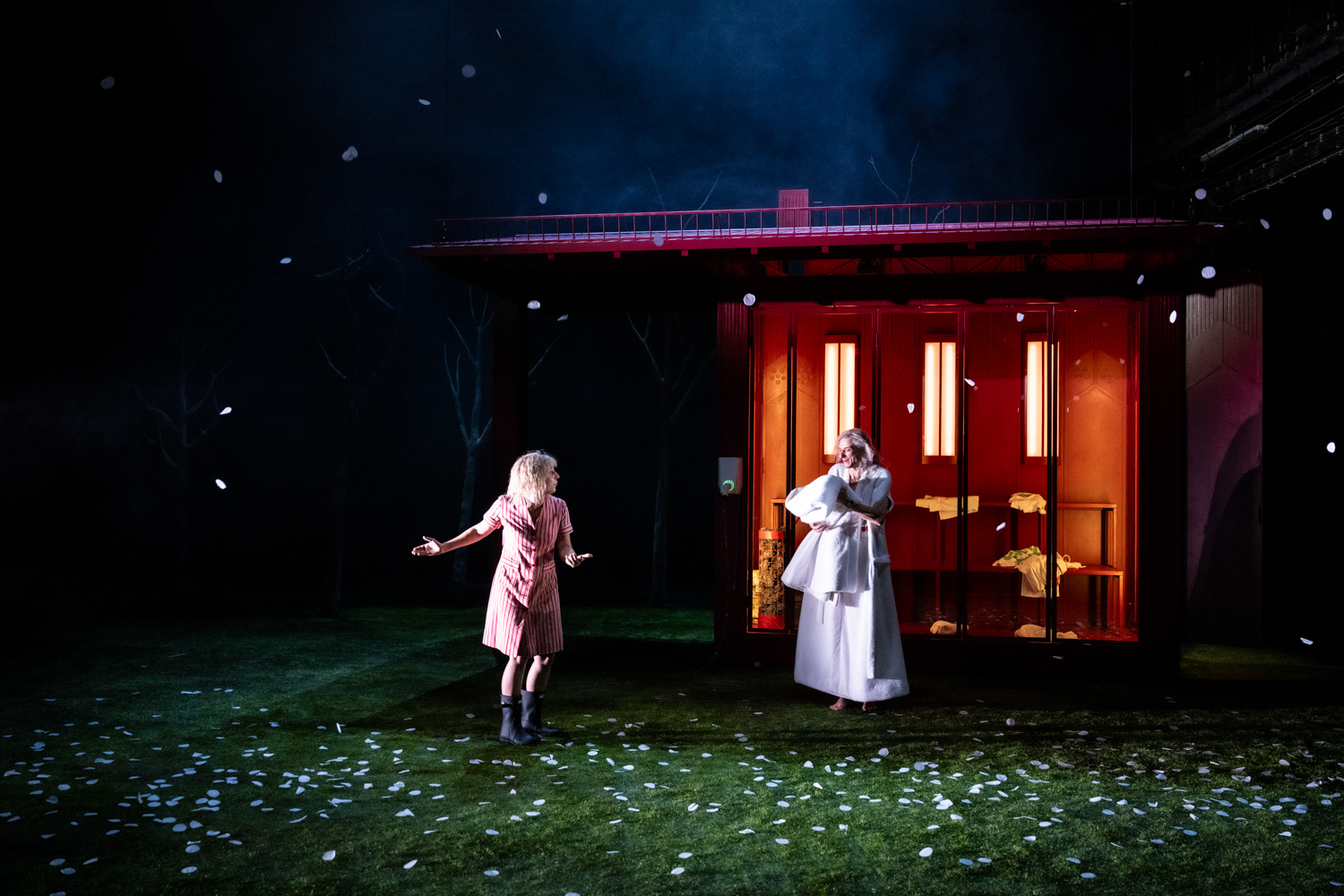
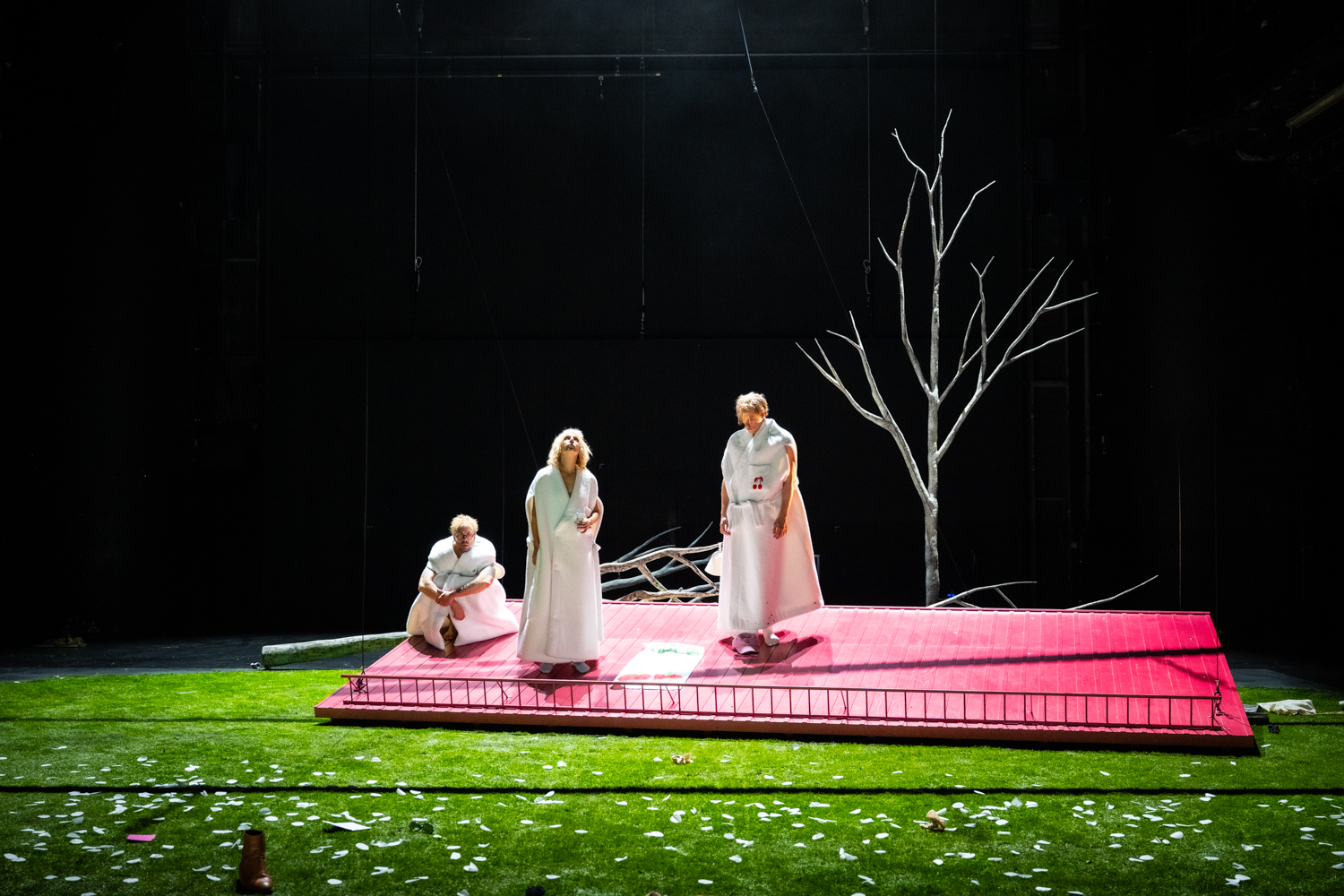
At the end of Chekhov’s THE CHERRY ORCHARD, the sound of axes can be heard. The orchard is being cut down, and Lopakhin is making grand plans to redevelop the estate for profit. A few years later, we meet him again. His dream has come true: where cherry blossoms once reached toward the sky, a vacation resort now stands. And strangely enough, we encounter not only him there, but also Ranevskaya, Varya, Gayev, and Trofimov. Once again, they find their way back to this place.
The financial circumstances have changed, and so have the dependencies. Yet at its core, everything still revolves around the same thing: money.
Rebekka David, born in Leipzig in 1993, studied directing at the Ernst Busch Academy of Dramatic Arts in Berlin. Her work has been presented at the Schauspielhaus Graz, Staatstheater Hannover, Staatstheater Braunschweig, Volkstheater Rostock, Theater Osnabrück, Deutsches Theater Berlin, Schauspiel Dortmund, Theater Basel, and the Saarländisches Staatstheater. Her productions have been requested as guest performances and at festivals, including the Körber Studio for Young Directors. She also offers workshops on sexism and gender, directs at drama schools, and produces radio plays for DLF and SWR, including Thomas Melle’s Die Welt im Rücken in 2021. In 2022, she received the ARD German Radio Play Award for Der Termin, based on the novel by Katharina Volckmer. Her productions and texts are developed before and during the rehearsal process in collaboration with the ensemble. Following KOHLHAAS (CAN’T GET NO SATISFACTION), this adaptation of Chekhov’s THE CHERRY ORCHARD is her second work at Theater Bonn.